
From the Locker Room to Leadership
- Blog From the Locker Room to Leadership
From the Locker Room to Leadership
Lessons Learned On and Off the Ice
From an early age, I have been involved in sports, either as a fan or a player. Being the youngest of two, I was introduced to athletic environments through my brother's participation in various sports, which sparked a desire in me to follow in his footsteps. Whatever sport he was playing, I had to give it a try. Once I saw my brother suit up in his goalie gear and take the ice to play hockey, I rushed to my mother and begged her to let me play, not realizing the long-term impact that the sport would have on me.
When I began my hockey career, nothing came easy. As a female player on boys' teams, I faced numerous challenges, but those obstacles taught me the importance of hard work and determination from an early age. I had to push myself harder to achieve success while navigating a small locker room that felt more like a closet at the opposite side of the arena, all while dealing with comments about being a girl in a sport often considered for boys. Yet, looking back, I realize that these difficulties shaped me into who I am today. My experience wouldn't have been as valuable if everything had been handed to me on a silver platter.
Being involved in the hockey community has brought fantastic wins and important lessons learned from losses. There have been times when I traveled out of town and spent weekends with the team. When I passed the puck to a teammate who scored a goal, I felt the thrill of stopping the opposing team from winning, leaving me with numerous positive takeaways. However, along with the good times, there have been tough moments from losses. I've experienced being just one goal away from winning crucial games, being on the ice when the other team scores the game-winning goal, and facing complete defeats. These are all part of sports. All these experiences taught me how to lead by example, be a great teammate, lift others up when they're down, and remain calm in stressful situations. I apply these qualities in my current role as a coach, giving back to my hockey community. The player has become the mentor, and I have to thank all the great coaches and leaders who influenced my journey and shaped my leadership style.
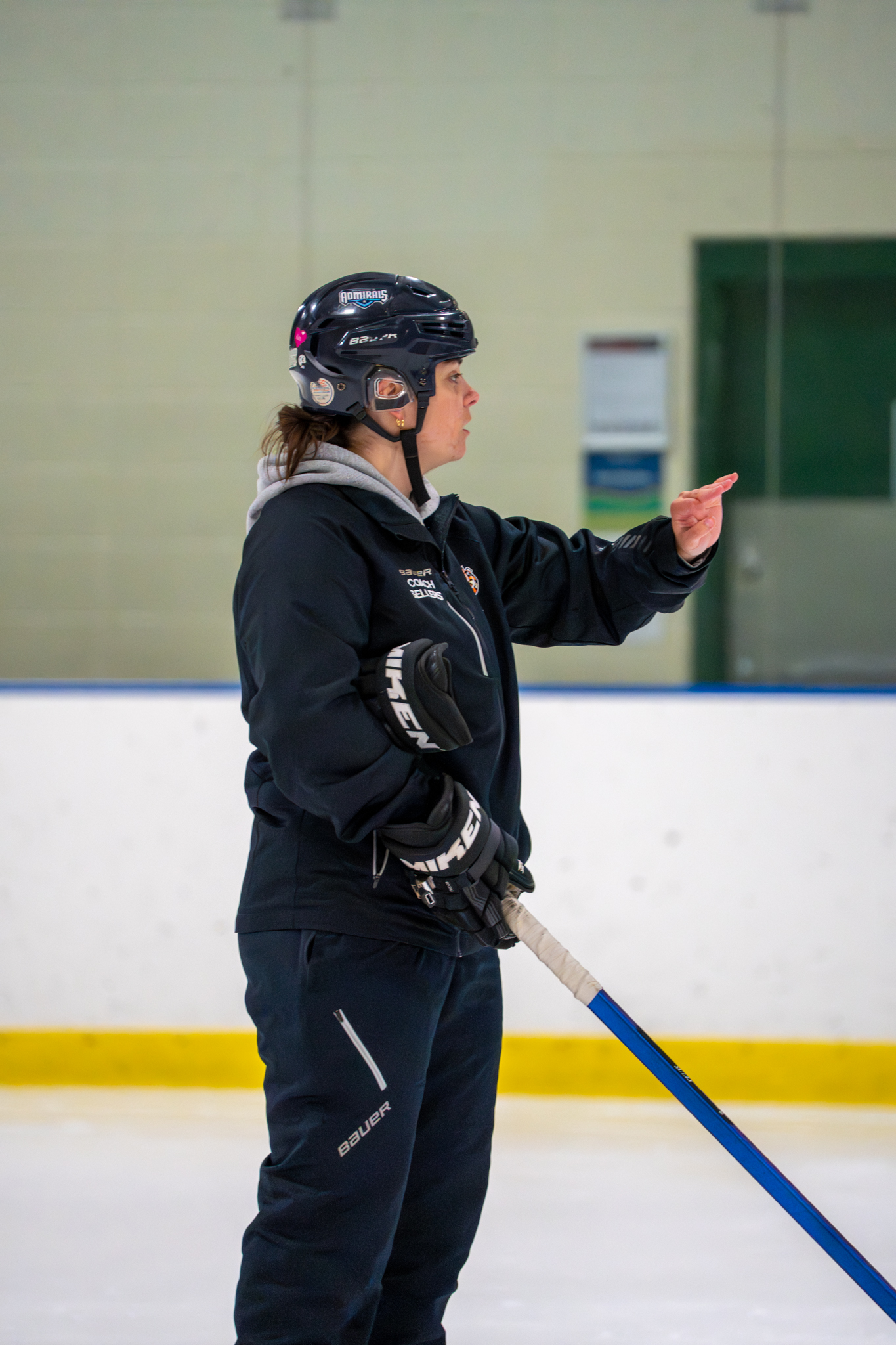
As a hockey coach in today's generation, I find there is still much for me to learn each time I step onto the ice or the bench with my teams. I started my coaching career just after graduating from college with the Milwaukee Jr. Admirals. After two seasons with their girls' program, I transitioned to a local youth program called the Vipers Hockey Club. This move also meant leading a younger age group, which was something I had never thought I would do. Now, looking back at that chapter of my life, I see how it pushed me to grow my leadership skills further. Instead of leading high school-aged girls, I now coach players aged eight to fourteen, which presents unique challenges but also allows me to understand how to work with multiple age groups. Coaching various ages has reminded me of many definitions of a good leader. I've witnessed moments where I could see the positive impact I've had, as well as moments that demonstrate I still have room for growth. This is all part of being a leader.
Here are five key leadership lessons that coaching hockey has taught me:
Patience:
Some players may need time to process information or require reminders. Coaching younger girls has taught me the importance of patience. It can be frustratingwhen they struggle to implement the coach's guidance during practices and games, but that doesn't mean they aren't learning. Instead of getting upset when we don't see immediate results, we must remember that it may take time for them to fully grasp the concepts.
Clear Communication:
Having played hockey for 80% of my life, I've realized that most of my players are just starting out or have only limited experience. Coaches might break down a drill thinking it makes sense, but when we look at our players, they often appear confused. Effective communication is essential for a good leader. The better we communicate and ensure others understand the goals and expectations, the more successful the team will be overall.
Finding the Balance Between Trust and Respect:
In coaching, I have often found myself navigating the delicate balance between earning my players' trust and establishing respect. It can be challenging. We aim to foster strong relationships that can be enjoyable, but we also need to maintain boundaries, ensuring that players view us as trusted advisors who provide guidance. Building strong relationships while demonstrating and earning respect is a vital characteristic of a good leader.
Holding Players and Yourself Accountable:
As a coach in sports, accountability plays a significant role in a team's success. It's important to remember that both you and your players will make mistakes. I've learned to keep this at the forefront with my teams because holding ourselves and each other accountable leads to future success. Without addressing and discussing mistakes, there can be no growth in skills. For instance, one of my younger players recently had a challenging game where her emotions got the best of her, and she was not a good teammate that day. We, as coaches, acknowledged the situation. I then stepped in to help the player understand her accountability for her behavior, while also taking the time to listen to her perspective. She later apologized to both the coaches and the rest of the team. My point is that if we hadn't addressed the issue at that moment, the player would have missed the opportunity to learn from the situation. This principle applies not just in sports but also in work environments and family settings.

Adaptability:
The game of hockey is fast-paced and constantly changing, leaving little time to cling to old ways or feel comfortable. As a leader in the hockey community, I have learned the importance of adapting to whatever situation arises. Coaching girls' hockey can be quite unpredictable; one season, you might have a full roster and experience great success, while the next season, you may struggle to find enough players for a team. Additionally, the program I coach for often has most of its female players double-rostered, meaning they also participate in co-ed games. This requires further adaptation. We may have a full team for one game, but the next, we could only have ten skaters available. This necessity for adaptability extends beyond hockey; it applies to being a leader in any setting. Challenges and changes will come, but instead of freezing in the face of uncertainty, remember that you are a leader for a reason, and you are exactly where you are meant to be.
We hope you take away a few thoughts on how these lessons can apply to you and your leadership style to help you be the best leader you can be.
Want to hear another story about how sports can relate back to leadership? Listen to The Impact of Leadership episode 148 - Pushing The Boulder Up The Mountain with guest Kevin Fillers.
Written By: Haley Sellers -The Impact of Leadership Marketing Brand Coordinator

Related Content


Comments